
Prevention is about more than responding to violence. It means partnering with communities to identify environmental conditions that impact safety, strengthen neighborhood connections and help create spaces where people can thrive.
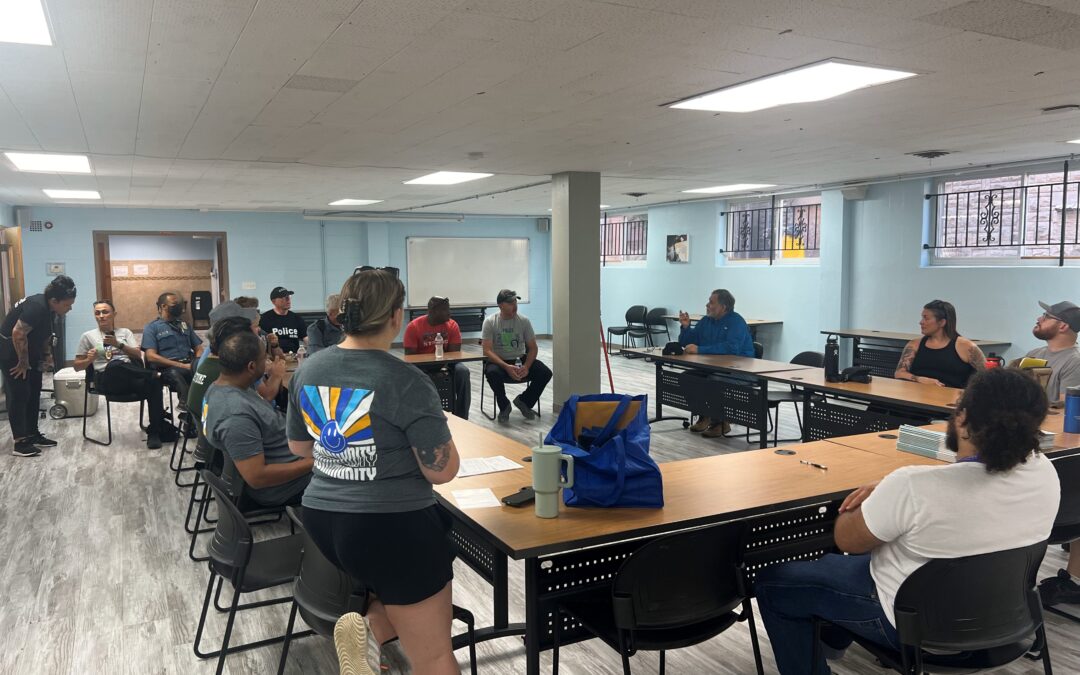
In April 2025, MOCSA's Prevention Team conducted a Crime Prevention Through Environmental Design (CPTED) assessment of the 100 block of North Lawn in Kansas City's Indian Mound neighborhood. The block was selected by the Indian Mound Neighborhood Association because it reflected many of the opportunities and challenges present throughout the neighborhood.
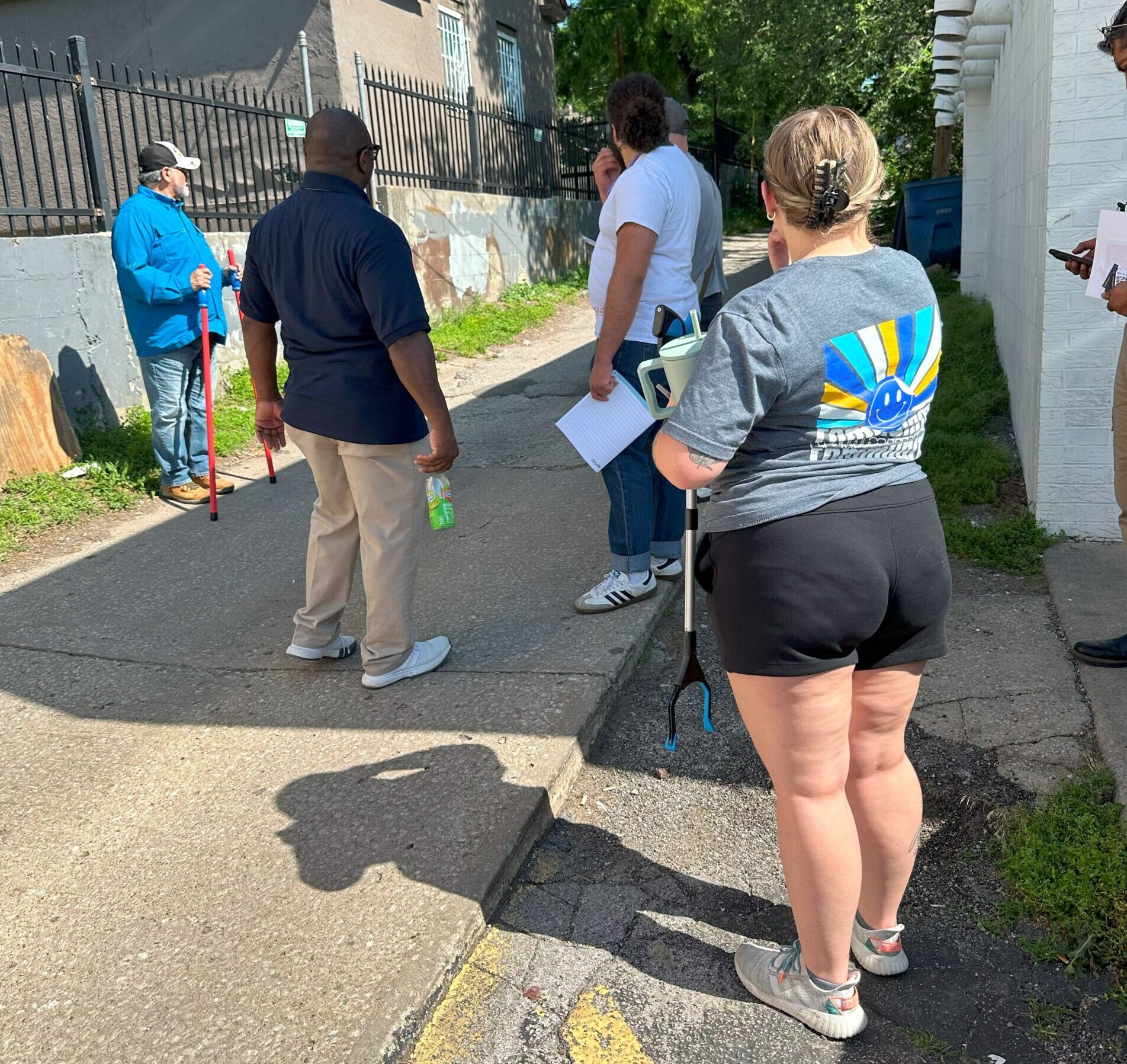
The area includes apartment complexes, single-family homes and vacant lots and is home to a diverse population, with many residents primarily speaking Burmese or Spanish. MOCSA completed the assessment in collaboration with neighborhood residents, the Indian Mound Neighborhood Association and the Kansas City Missouri Police Department, resulting in recommendations focused on improving safety, maintenance and quality of life.
What followed demonstrates the lasting impact that prevention work can have when communities are equipped with trusted tools and strong partnerships.
An Assessment That Became a Community Resource
Following the assessment, residents organized around longstanding concerns within the apartment complexes. With support from KC Tenants, residents formed a tenant union that ultimately included approximately 90 percent of apartment residents.
Together, residents brought attention to serious housing conditions, including lack of hot water, electrical issues, inadequate heating during winter months, lack of air conditioning, standing sewage, pest infestations and other hazardous living conditions.
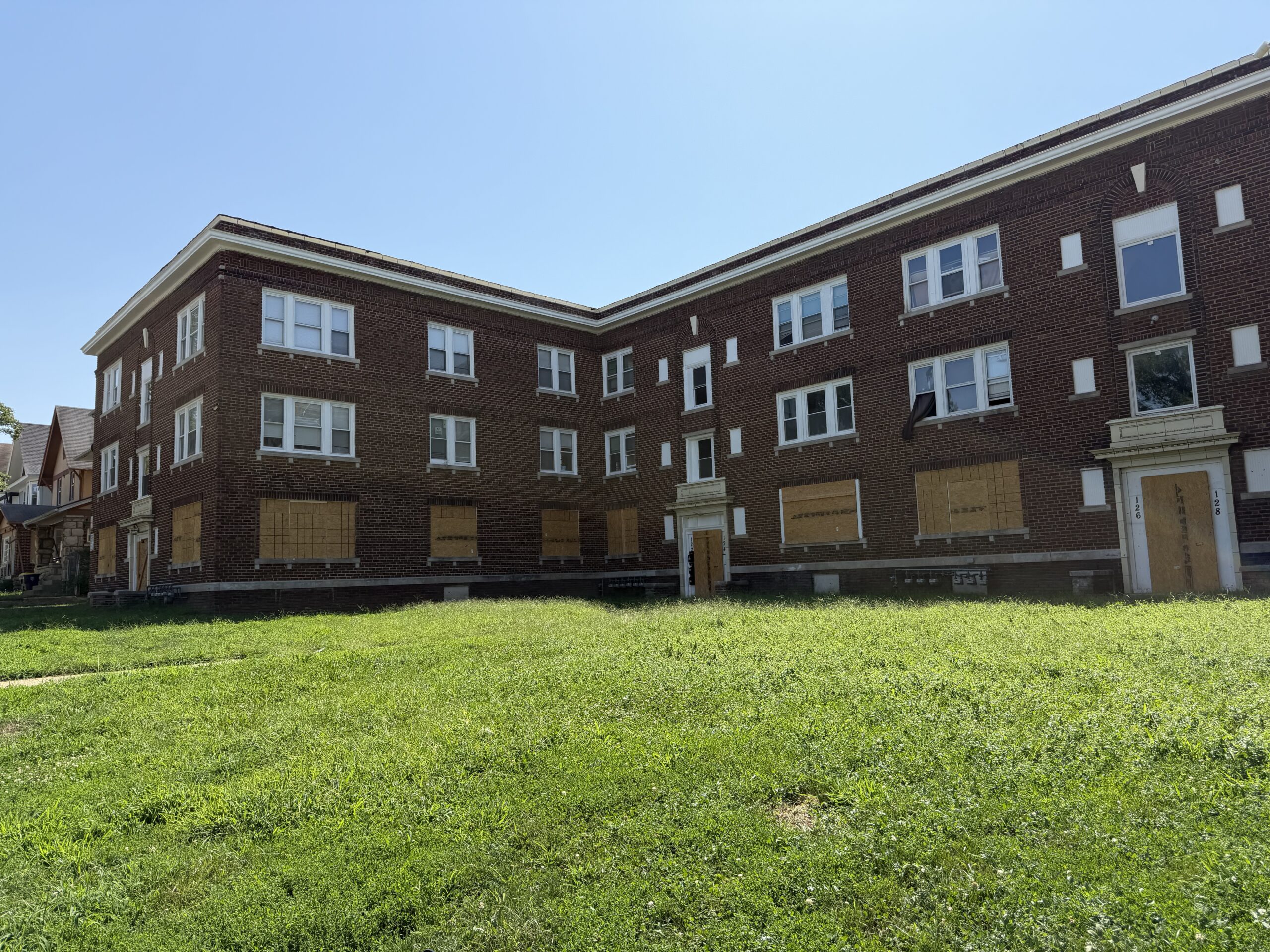
North Lawn Apartment Exterior, July 2026
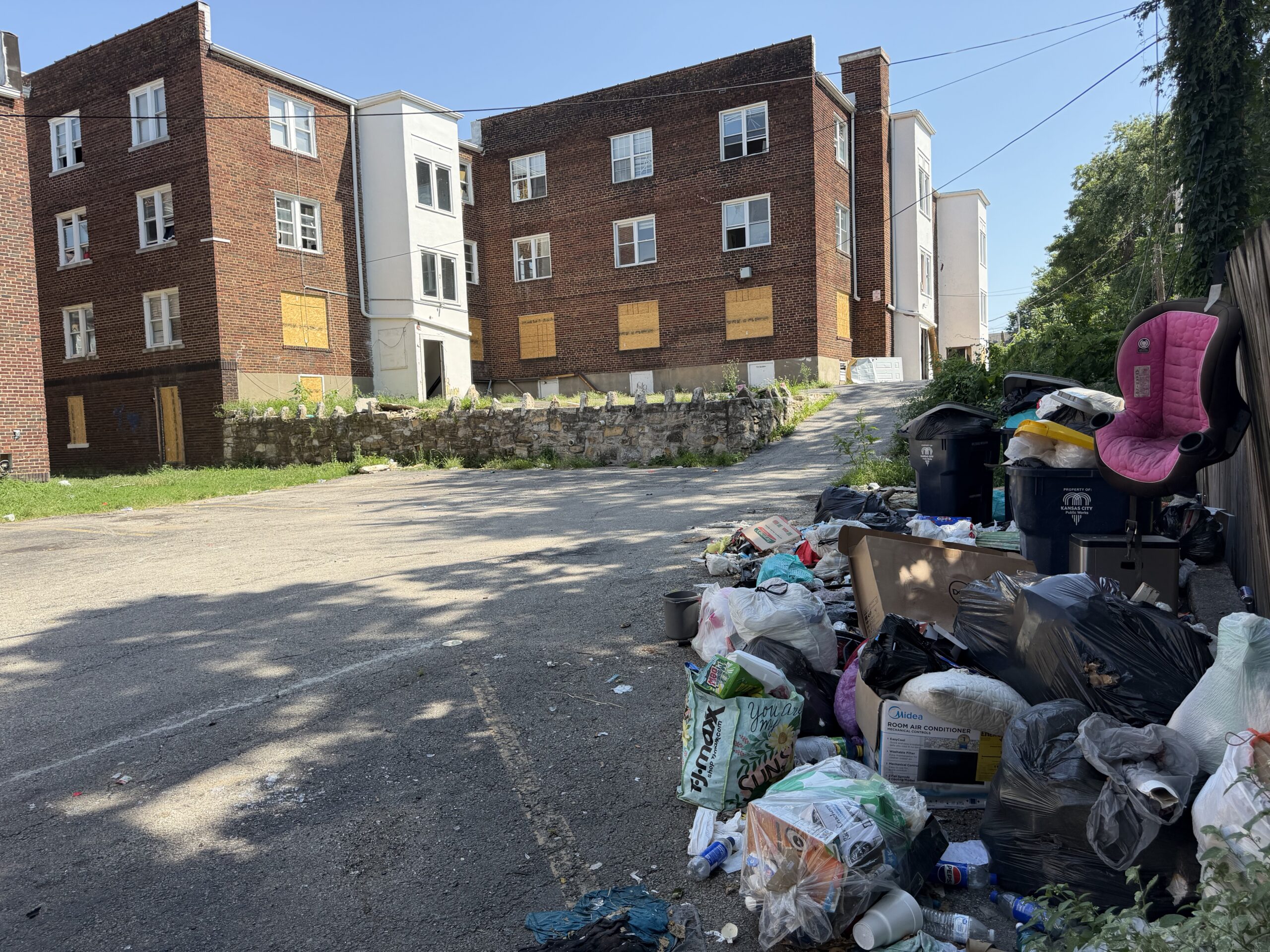
North Lawn Apartment Exterior, July 2026
Resident Leadership Drives Meaningful Change
Since that time, residents have organized rallies, engaged elected officials and brought significant attention to conditions within the apartment complexes. Multiple Kansas City Council members became involved, and conversations expanded to include City departments, housing officials and community partners.
These efforts ultimately resulted in increased accountability for property ownership, including enforcement actions and ongoing efforts to address deteriorating conditions.
In July 2026, the Kansas City Council approved emergency funding to make critical repairs at the North Lawn apartment complex while holding the property owner financially responsible through a special tax lien. The action also established a citywide task force to improve coordination between departments and strengthen the city's response to unsafe housing conditions.
Throughout the process, both the Neighborhood Association and community partners have remained committed to ensuring residents have a meaningful voice in decisions affecting their future. Rather than selecting solutions on behalf of residents, neighborhood leaders have emphasized resident empowerment and self-determination, ensuring that the people most affected by these challenges remain central to conversations about ownership, housing stability and long-term neighborhood improvements.
Prevention Creates Lasting Community Impact
The progress on North Lawn demonstrates the value of community-driven prevention work and the importance of trusted partnerships.
What began as a CPTED assessment evolved into a process that documented community concerns, elevated resident voices, increased accountability, connected stakeholders to resources and helped create pathways toward long-term housing stability.
This work also highlights how independent assessments can serve as an important tool for communities whose concerns may otherwise go undocumented or unheard.
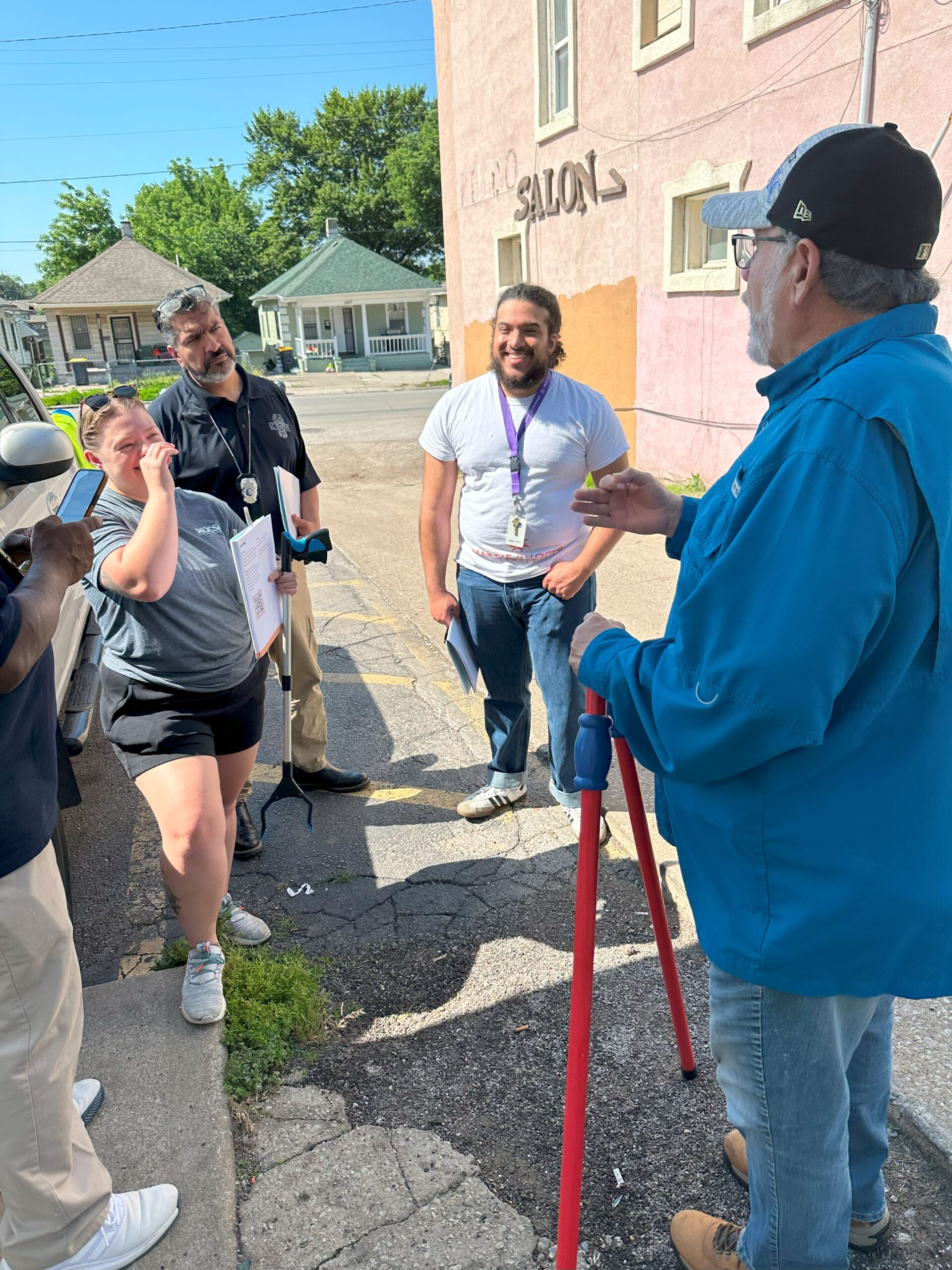
For MOCSA, prevention means helping build environments where people feel safe, connected and empowered. The story of North Lawn shows that when residents, neighborhood organizations and community partners work together, prevention can extend far beyond a single assessment. It can help lay the foundation for lasting change.